plastic is causing cancers
In the modern world, plastic has become ubiquitous, infiltrating every aspect of our lives. From packaging to consumer goods, its convenience has made it indispensable. However, the convenience comes at a cost, one that is increasingly evident in its detrimental impact on human health. Among the myriad of health issues associated with plastic usage, its link to cancer stands out as a pressing concern, supported by alarming statistics and research findings.

The Cancerous Connection:
Plastic, especially single-use plastics, contains harmful chemicals such as bisphenol A (BPA), phthalates, and styrene, among others. These chemicals leach into food, water, and the environment, posing a significant risk to human health. Studies have shown that exposure to these chemicals is associated with an increased risk of various cancers, including breast cancer, prostate cancer, and childhood leukemia.
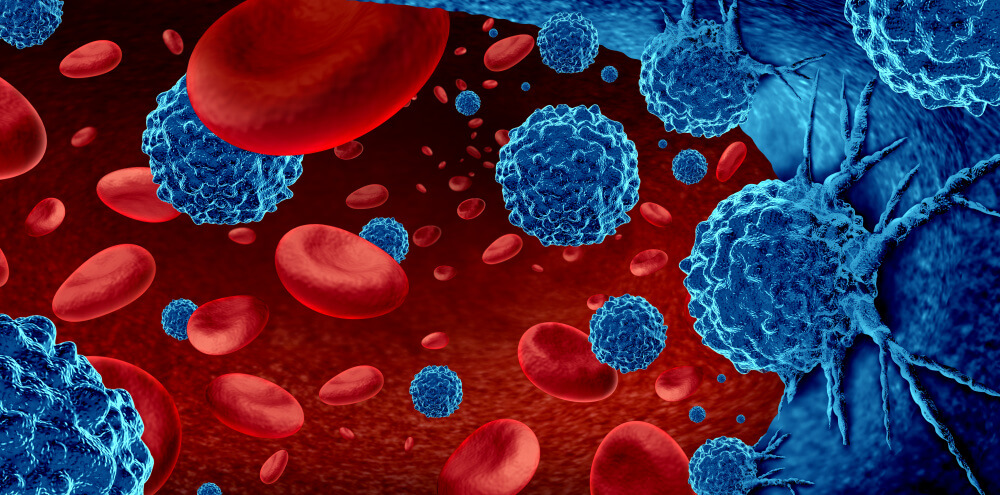
According to the World Health Organization (WHO), more than 80,000 new cases of cancer every year are attributed to exposure to environmental carcinogens, many of which are found in plastics. Additionally, research published in the Environmental Health Perspectives journal suggests that BPA, a common component of plastics, may disrupt normal hormone function, leading to the development of hormone-related cancers such as breast and prostate cancer.
The Sustainable Solution:
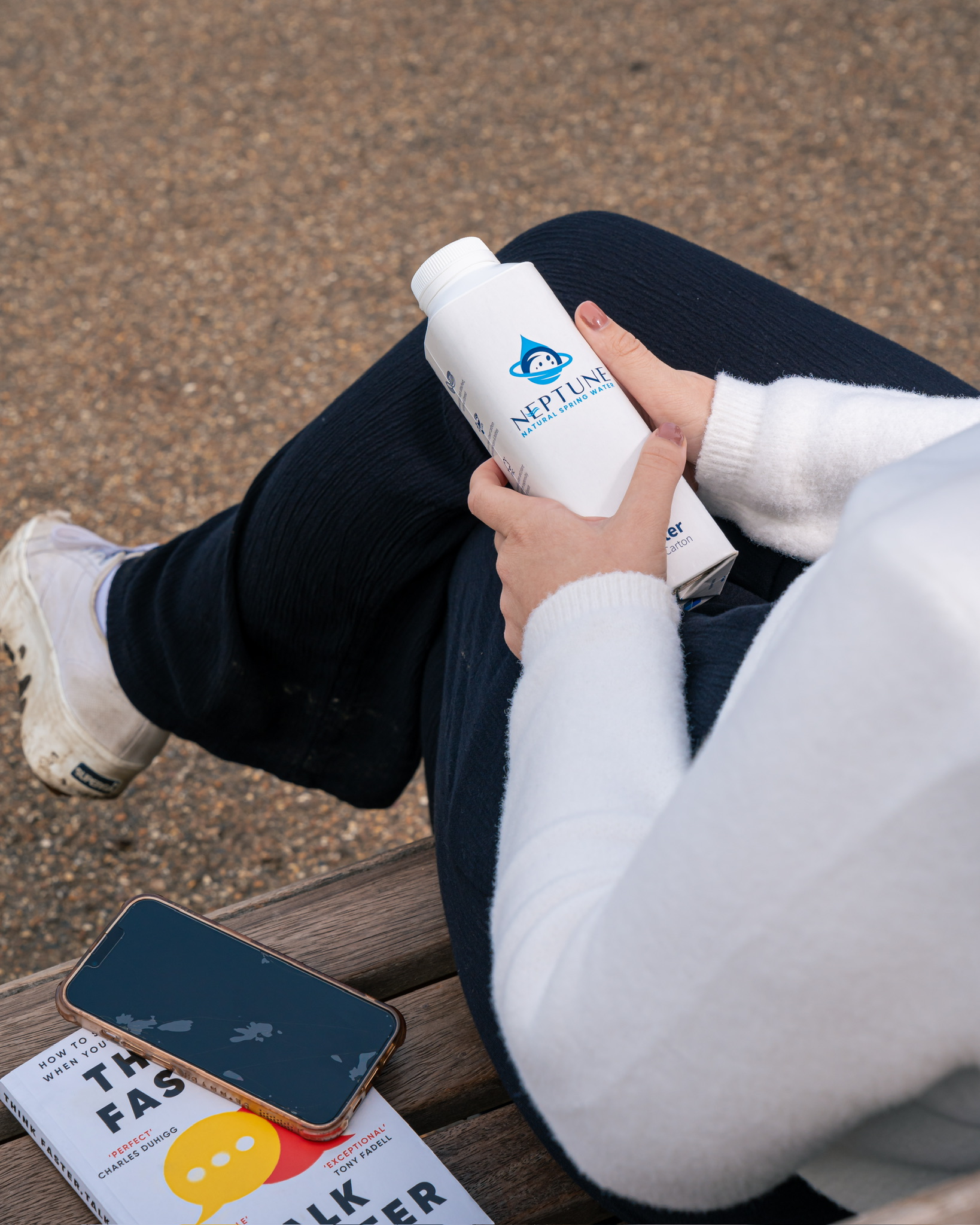
Amidst growing awareness of the health and environmental hazards posed by plastic, consumers are seeking alternatives that are both safe and eco-friendly. Neptune Spring Water emerges as a beacon of sustainability in this landscape, offering a solution that addresses both concerns.
Neptune Spring Water is packaged in 100% recyclable cartons, free from the harmful chemicals found in traditional plastic bottles. These cartons are made from renewable materials, such as paperboard sourced from responsibly managed forests, making them an environmentally friendly choice. By opting for Neptune Spring Water, consumers can significantly reduce their exposure to harmful chemicals while also minimizing their carbon footprint.

Why Neptune Spring Water?
Aside from its commitment to sustainability, Neptune Spring Water stands out for its purity and quality. Sourced from natural springs and subjected to rigorous filtration processes, Neptune Spring Water delivers a crisp, refreshing taste without any additives or contaminants. Moreover, its convenient packaging makes it an ideal choice for consumers on the go, offering hydration without compromising health or the environment.

Taking Action:
As consumers, we can drive change through our everyday choices. By opting for products like Neptune Spring Water, packaged in recyclable cartons, we can collectively reduce our reliance on plastic and mitigate its harmful effects on human health and the environment.
Furthermore, advocating for policies that promote sustainable packaging and regulate the production and disposal of plastics is crucial in addressing this pressing issue. By raising awareness, supporting sustainable brands, and advocating for change at the individual and societal levels, we can pave the way towards a healthier and more sustainable future.
In conclusion, the link between plastic and cancer underscores the urgent need for action. Neptune Spring Water offers a sustainable solution, providing consumers with a safer alternative to traditional plastic bottles. By making conscious choices and supporting brands committed to sustainability, we can protect our health and the planet for generations to come.

References:
World Health Organization (WHO) – “Cancer Prevention: Environmentally Related Cancers”
Environmental Health Perspectives – “Bisphenol A and Hormone-Related Cancers: Current Progress and Perspectives”
National Institutes of Health (NIH) – “Phthalates and Cancer”
Plastic Pollution Coalition – “The Problem with Plastic”