Plastic and the Environment: Understanding the Perils and Pursuing Sustainable Solutions
Plastic, once hailed as a revolutionary material for its versatility and durability, has now become one of the most pressing environmental challenges of our time. From polluting our oceans to endangering wildlife and disrupting ecosystems, the proliferation of plastic has far-reaching consequences that demand urgent attention and concerted action.

The Perils of Plastic Pollution:
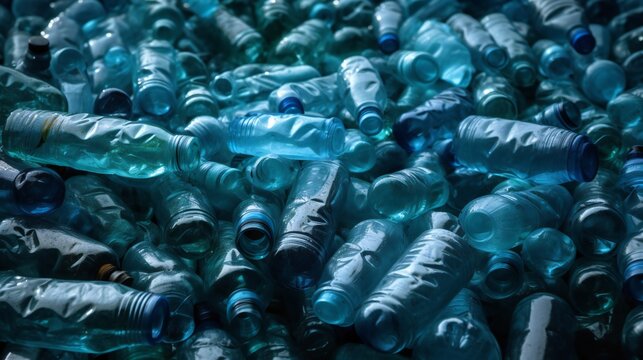
Plastic pollution is pervasive, with an estimated 8 million metric tons of plastic entering our oceans every year. This staggering amount of plastic wreaks havoc on marine life, as animals become entangled in plastic debris or mistake it for food. Seabirds, turtles, dolphins, and whales are among the countless creatures that suffer injury or death due to ingestion or entanglement with plastic waste.
Moreover, the environmental impacts of plastic extend beyond marine ecosystems. Plastic litter mars landscapes, clogs waterways, and contaminates soil, posing threats to terrestrial wildlife and ecosystems. Microplastics, tiny particles resulting from the breakdown of larger plastic items, further exacerbate the problem by infiltrating the air we breathe, the water we drink, and the food we eat, with potential health implications for humans and wildlife alike.
The Need for Sustainable Solutions:
Addressing the plastic crisis requires a multifaceted approach that combines mitigation, prevention, and remediation efforts. While recycling plays a crucial role in reducing plastic waste, it is not a panacea. The reality is that only a fraction of the plastic produced worldwide is recycled, with the majority ending up in landfills, incinerators, or the environment.
To truly tackle the problem at its source, we must embrace sustainable spring water alternatives to single-use plastics and adopt circular economy principles that prioritize waste reduction, reuse, and innovation. This entails redesigning products and packaging to be more eco-friendly, investing in infrastructure for waste management and recycling, and fostering a culture of responsible consumption and stewardship.

Embracing Sustainable Alternatives:
One promising avenue for reducing plastic pollution is the adoption of biodegradable and compostable materials as alternatives to conventional plastics. These materials, derived from renewable sources such as plant-based polymers, offer comparable performance to traditional plastics while posing minimal harm to the environment.
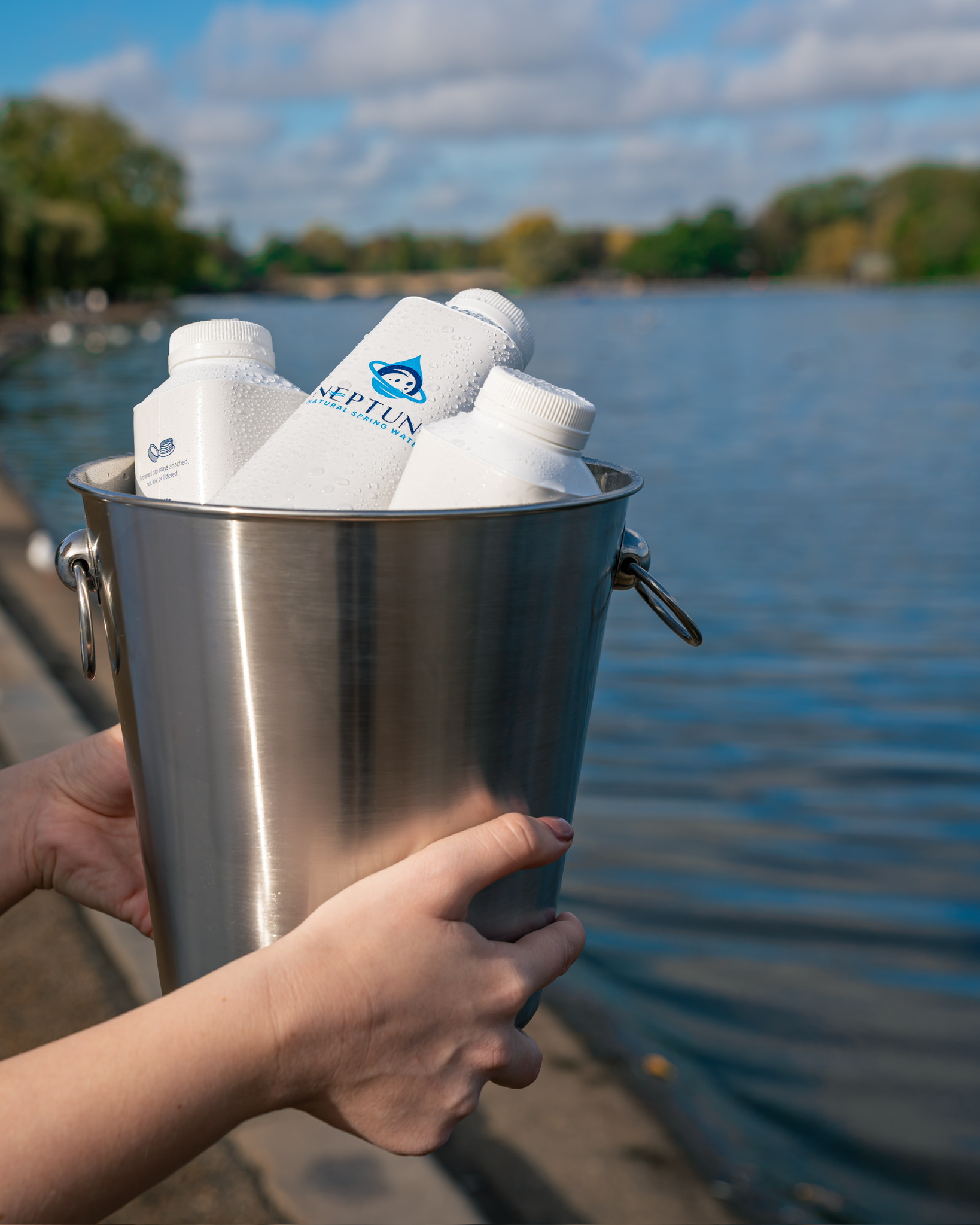
Additionally, innovations in packaging, such as bioplastics and paper-based alternatives, present viable solutions for reducing plastic waste without compromising convenience or functionality. Brands like Neptune Spring Water, which offers water in 100% recyclable cartons, demonstrate the feasibility and appeal of sustainable packaging options that prioritize environmental stewardship.
The Power of Collective Action:
Ultimately, addressing the plastic crisis requires a collective effort involving governments, businesses, communities, and individuals. Governments play a critical role in implementing policies and regulations that promote sustainable practices, such as bans on single-use plastics, incentives for eco-friendly products, and investment in waste management infrastructure.
Businesses have a responsibility to adopt sustainable practices throughout their supply chains, from sourcing raw materials to packaging and distribution. By prioritizing sustainability and innovation, businesses can not only reduce their environmental footprint but also appeal to increasingly eco-conscious consumers.
As individuals, we can drive change through our everyday choices and actions. By reducing our consumption of single-use plastics, opting for reusable alternatives, supporting sustainable brands, and advocating for policies that protect the environment, we can collectively work towards a future free from the scourge of plastic pollution.

In conclusion, plastic pollution poses a grave threat to the environment and requires urgent and concerted action. By embracing sustainable alternatives, fostering innovation, and mobilizing collective action, we can mitigate the impacts of plastic pollution and safeguard the health and integrity of our planet for generations to come.